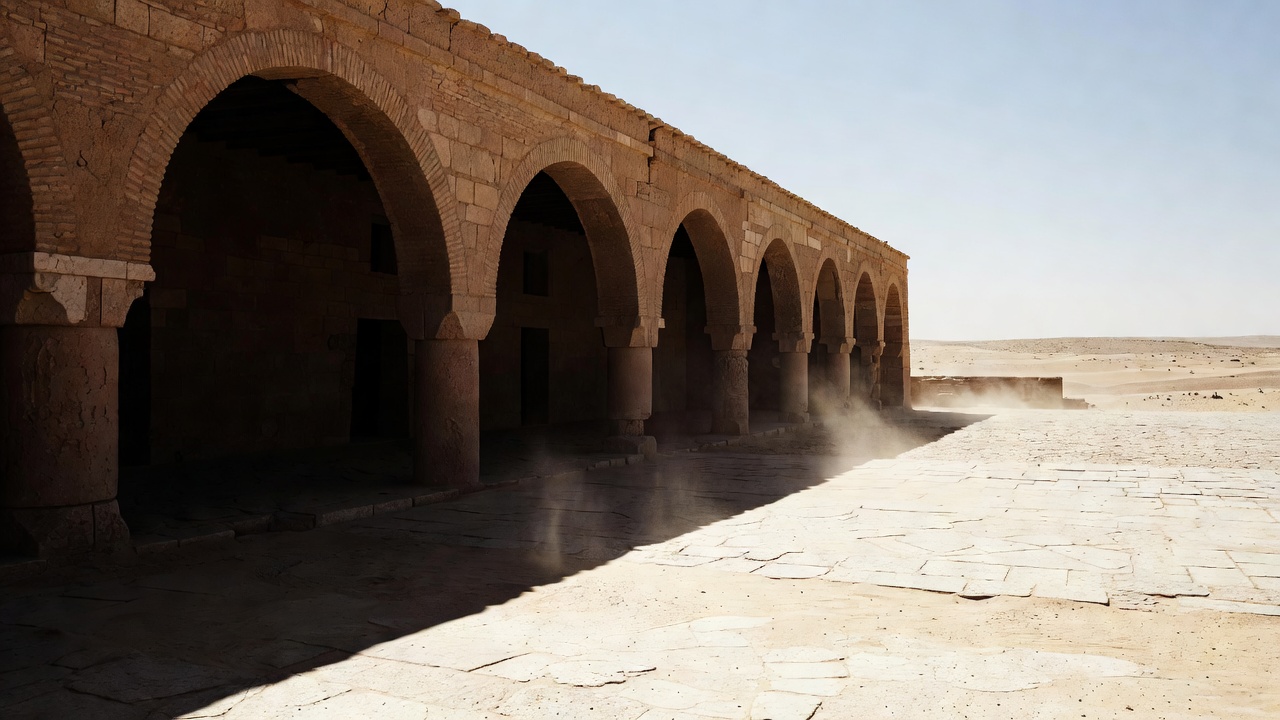
Begin with the hours that matter
A facade does not experience a single, fixed sun condition. Exposure changes through the day and across the year. Start by marking where people sit, sleep, cook and move, then compare those activities with local sun paths. A terrace used after sunset has a different brief from a classroom occupied through the afternoon. Surrounding buildings, terrain and existing trees also change the actual exposure.
In many locations, low-angle sun from the east and west is harder to block with a simple horizontal overhang than higher midday sun. This is a geometric observation, not a universal instruction to close those elevations. Views, prevailing winds, winter conditions and the hemisphere all matter. Use a location-specific solar study instead of copying an overhang depth from a photograph.
Put shade outside the glass
An external screen or awning can intercept solar radiation before it reaches glazing. An interior blind can control glare and privacy, but sunlight that has already crossed the glass may still contribute heat inside. The distinction helps explain why a visually dark room is not necessarily a thermally protected room. Glass specification, frame performance and air leakage remain important alongside shading.
Horizontal projections suit some sun angles; vertical fins, shutters and layered screens suit others. Adjustable devices can respond to changing conditions, yet add hinges, motors or other maintenance needs. Fixed devices have fewer moving parts but need careful geometry. In either case, test whether the shade blocks useful daylight, restricts escape routes or prevents windows from opening safely.
Treat the roof as an exposed facade
In a low-rise desert building, the roof can receive intense solar exposure. A ventilated canopy may shade the waterproof roof below, while insulation slows heat flow into occupied rooms. A reflective finish can reduce absorbed solar energy under suitable conditions. These measures do different jobs, so selecting one does not eliminate the need to investigate the others.
A second roof layer also creates structural and maintenance questions. Wind uplift, dust accumulation, fire behavior, drainage and safe inspection access need professional attention. Shade structures should not be improvised from lightweight sheets without checking their fixings. Walls require similar thought: a shaded wall can still transmit heat from hot outdoor air, especially where insulation is discontinuous.
Design for radiant comfort
Outdoor comfort depends on more than air temperature. Direct sun and hot surrounding surfaces increase the radiant load on the body. A continuous shaded route can therefore feel very different from a series of exposed patches, even when both share the same weather station reading. Provide shade where people wait, not only where they pass through.
Roof height and opening size influence whether warm air can escape and whether useful breezes reach occupants. A low, enclosed shelter may trap heat; an excessively open canopy may admit low sun. Trees can add seasonal shade, but species selection, irrigation, roots and long-term survival belong in the design brief. Planting is not a maintenance-free substitute for a reliable roof.
Write a shade brief before drawing a shape
Record occupied hours, vulnerable users, priority rooms, desired daylight and acceptable maintenance. Photograph the site at different times and note glare reflected from neighboring walls or paving. Model summer and shoulder-season conditions, then check whether winter sunlight is valuable. The aim is to establish a set of performance questions rather than a preferred architectural silhouette.
Finally, connect shade to airflow and envelope materials. Reducing solar gain can make ventilation or mechanical cooling more effective, but does not establish a safe indoor temperature by itself. During dangerous heat, a shaded building may still require active cooling and a dependable backup plan. Local climate data and qualified design review turn the initial shade concept into a buildable strategy.